Sustainable Rubber,
A Deforestation-Free Future
Y.T. Rubber (YTRC), a YOKOHAMA Group company, is committed to operating in full compliance with EUDR to deliver high-quality rubber products that are traceable and 100% deforestation-free.
Explore More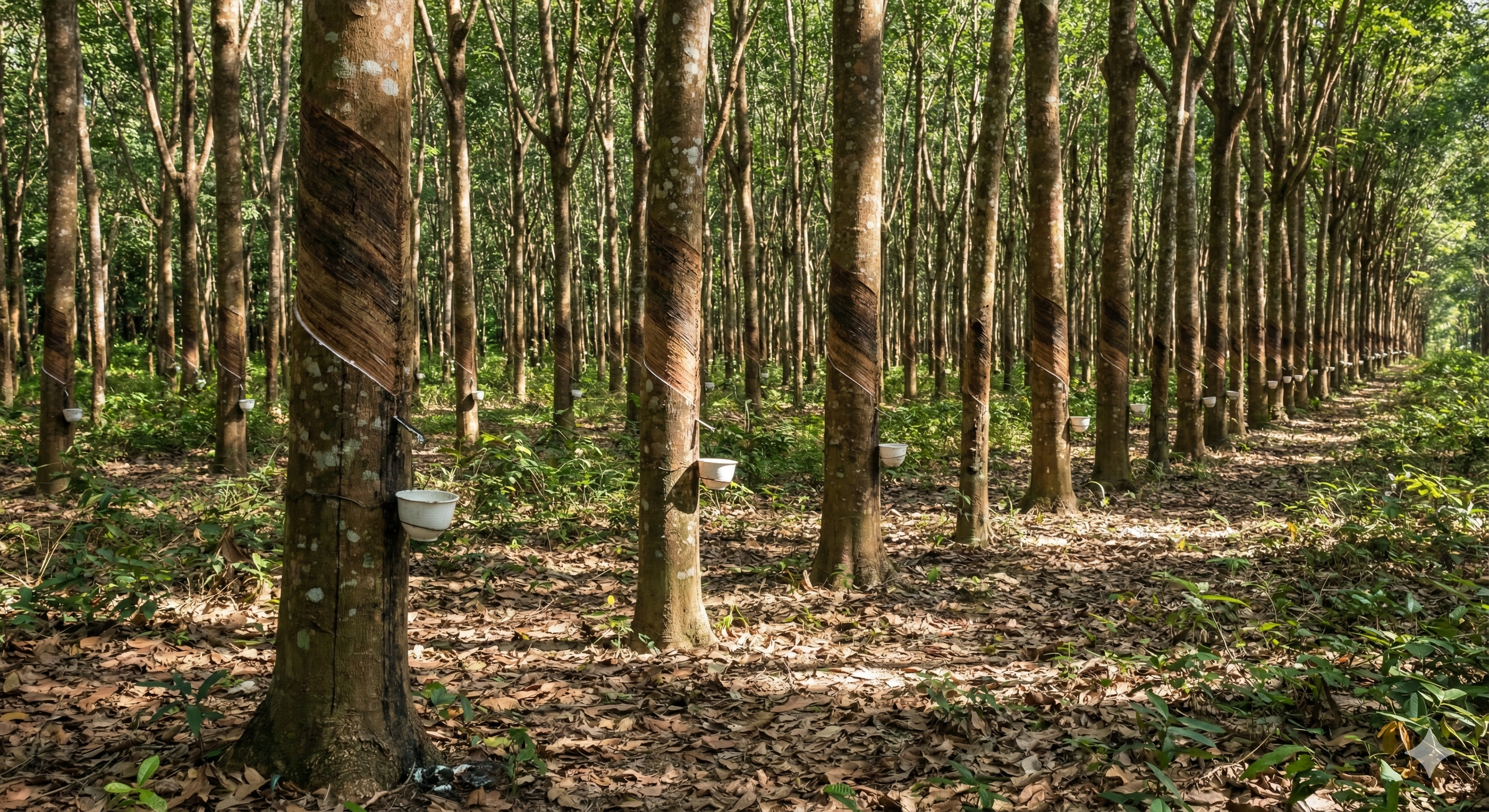
Our Vision
“ To be a global frontrunner in natural rubber solutions, creating lasting value and a regenerative future for all the communities we are part of. ”
Our Mission
“ We are committed to delivering premium, cost-effective natural rubber products that meet the evolving needs of the market. Through continuous research and innovation, we strive to create diverse products and efficient operations that support the transition to a low-carbon society, nurture the environment, enhance well-being, and generate fair opportunities and long-term value for all our stakeholders and the communities we are part of. ”
About Y.T. Rubber
Y.T. Rubber (YTRC) is a company established in 2008 to supply natural rubber to the tire factories of the Yokohama Rubber Group. The factory is located in Suratthani Province, located on the east side of southern Thailand (northern Malay Peninsula), approximately 600 km south of Thailand's capital Bangkok. Thailand's total natural rubber production is approximately 4.8 million tons per year, making it the world's largest natural rubber producing country. Approximately two-thirds of this is produced in southern Thailand, and Surat Thani is one of the main production areas.

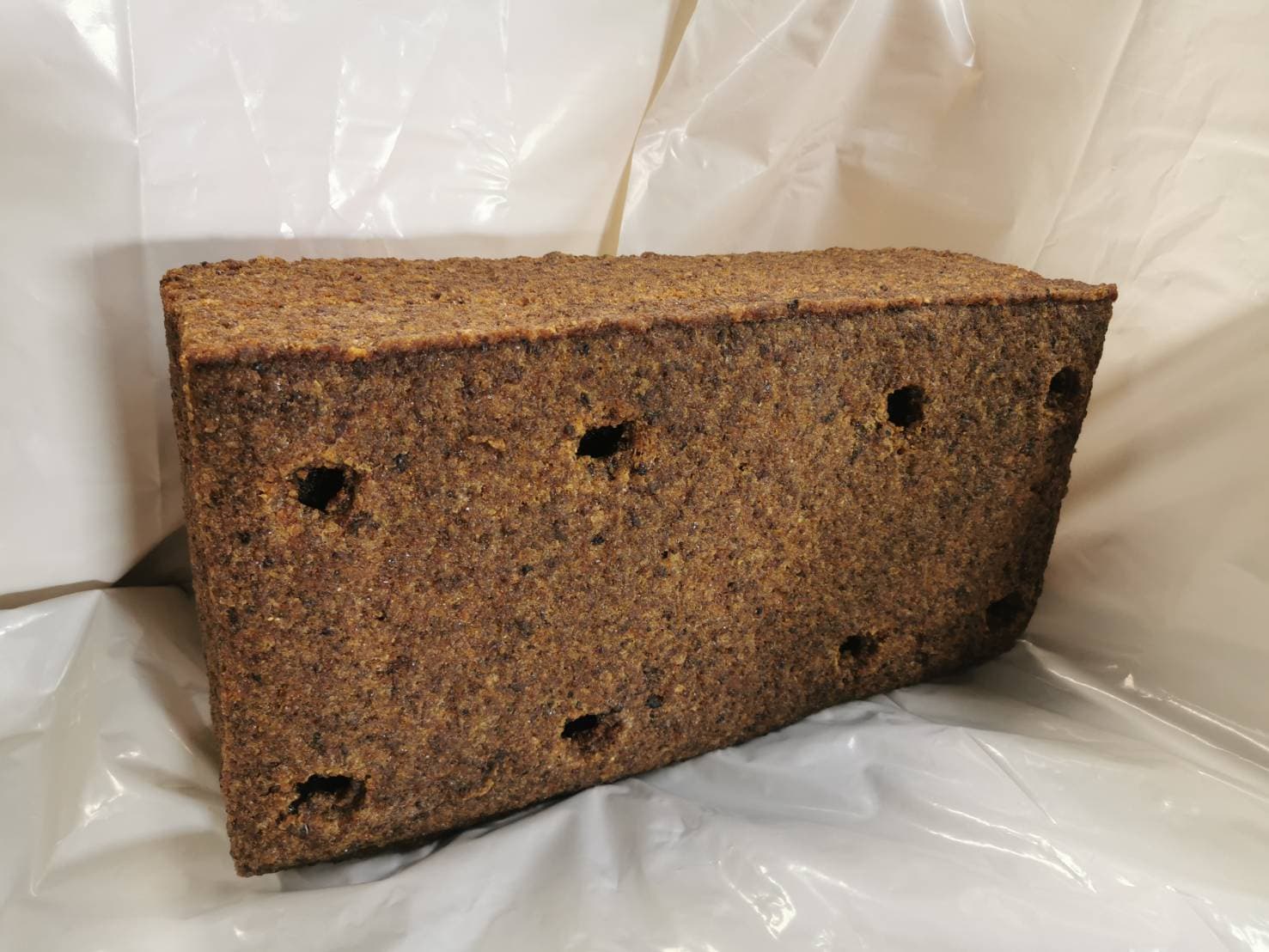
Standard Thai Rubber (STR 20)
STR 20 is a high-quality block rubber made primarily from cup lump and unsmoked sheet. The production process involves cleaning, cutting, creping, shredding, and drying to ensure consistent quality. Renowned for its stability, easy handling, and cost efficiency, STR 20 is widely used in the tire manufacturing industry and is ideal for large-scale production.
Sustainability at Y.T. Rubber
Driving strict compliance, environmental stewardship, and community growth for a sustainable future.
ORGANIZATIONAL GOVERNANCE
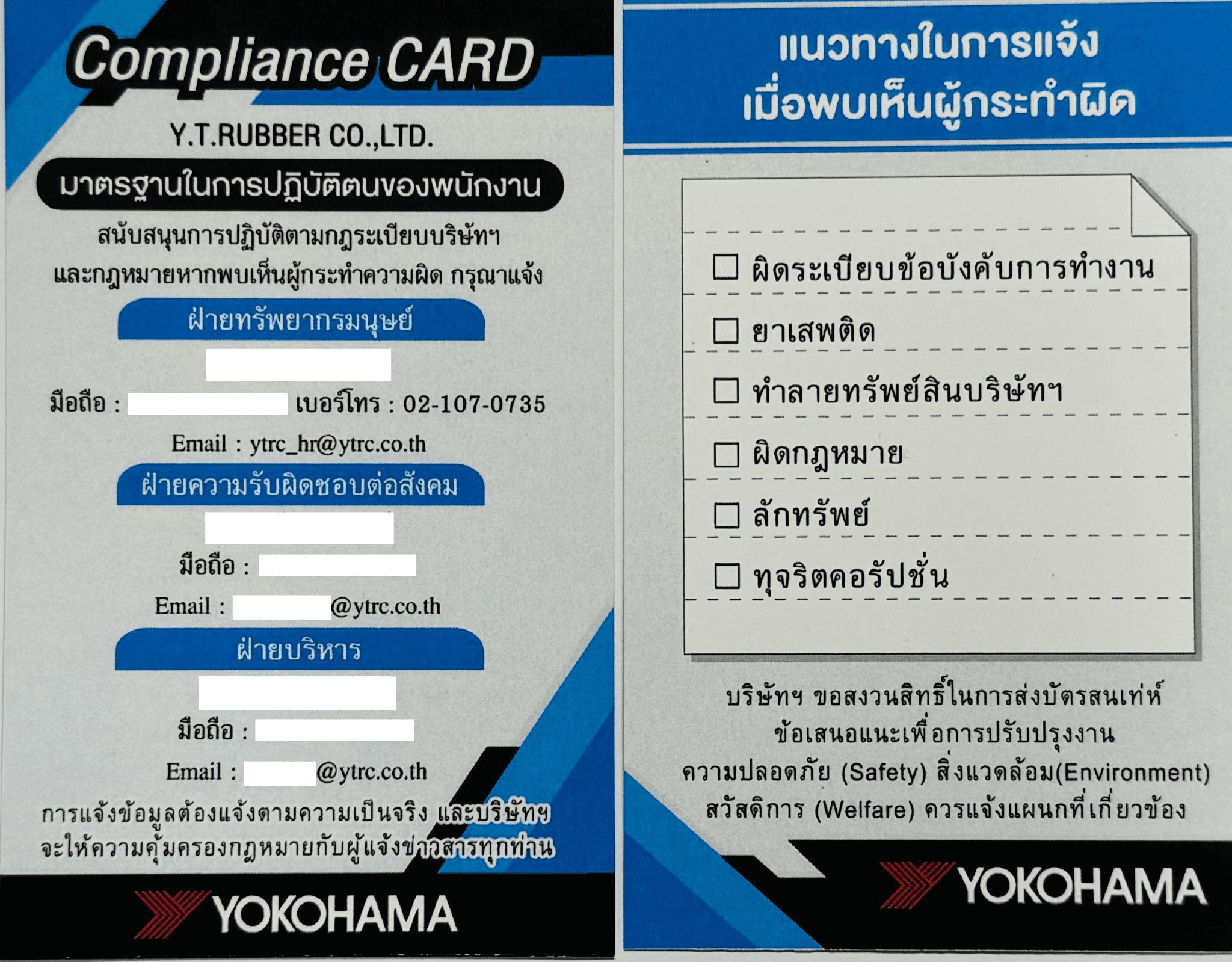
In our multinational workplace environment where Japanese, Thai, and Myanmar employees collaborate, we emphasize the importance of embedding a strong compliance culture. We create and distribute compliance cards in Thai and Myanmar, ensuring that all employees can understand basic rules and contact points in their native language. Furthermore, we ensure awareness and adherence to our code of conduct through regular compliance training.
HUMAN RIGHTS
Interactions between employees
We respect human rights and ensure fair treatment for all employees regardless of nationality, gender, or background. We provide equal opportunities and maintain a safe, inclusive workplace environment.
LABOR PRACTICES
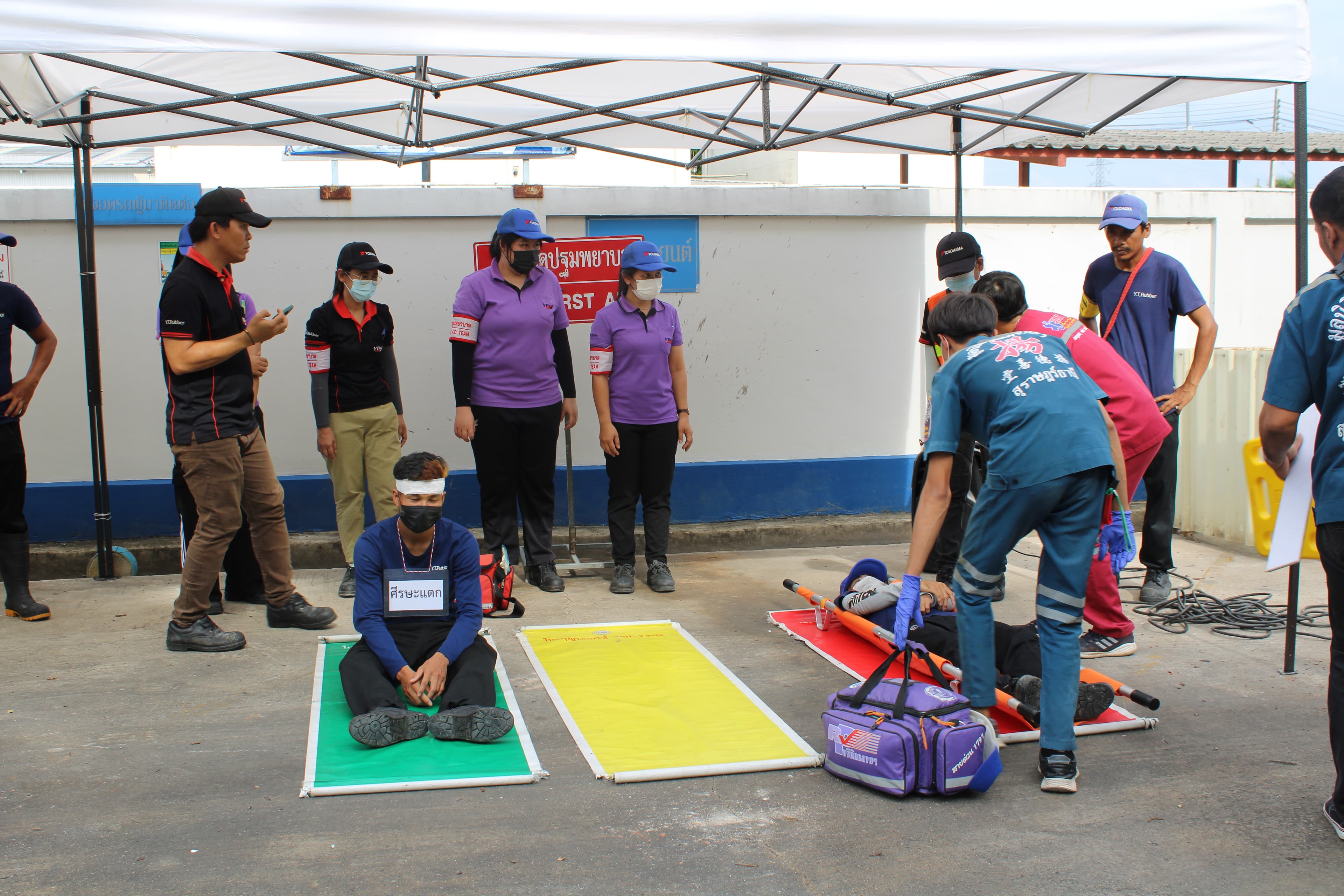
Activities for protecting safety and health
We maintain high standards in labor practices, ensuring safe working conditions, fair wages, and opportunities for professional development. We invest in our employees' growth and well-being.
ENVIRONMENT
Environmental Data
| Category | FY 2020 | FY 2021 | FY 2022 | FY 2023 | FY 2024 |
|---|---|---|---|---|---|
| Total Waste Generated (tons) | 28 | 28 | 23 | 29 | 13 |
| Landfill Disposal Proportion (%) | 75.0 | 54.5 | 65.0 | 59.0 | 0.0 |
| Landfill Waste Amount (tons) | 14.0 | 21.0 | 15.2 | 17.1 | 0.0 |
| Energy Consumption (MWh) | |||||
| Electricity | 1,535 | 1,750 | 1,955 | 2,404 | 2,166 |
| Fuel | 920 | 1,128 | 1,344 | 1,630 | 2,067 |
| Total | 2,455 | 2,877 | 3,299 | 4,034 | 4,233 |
| GHG Emissions (Scope 1+2) (1,000 t-CO2) | 5.5 | 6.5 | 7.4 | 7.2 | 9.3 |
| Water Withdrawal (1,000 m3) | 31.0 | 30.0 | 28.7 | 26.8 | 27.7 |
* Financial Year: Jan - Dec
* GHG Calculation Method: Based on the Ministry of the Environment's GHG Protocol.
* Water Withdrawal: Natural water (groundwater) only, no tap water used.
Energy Saving Activities
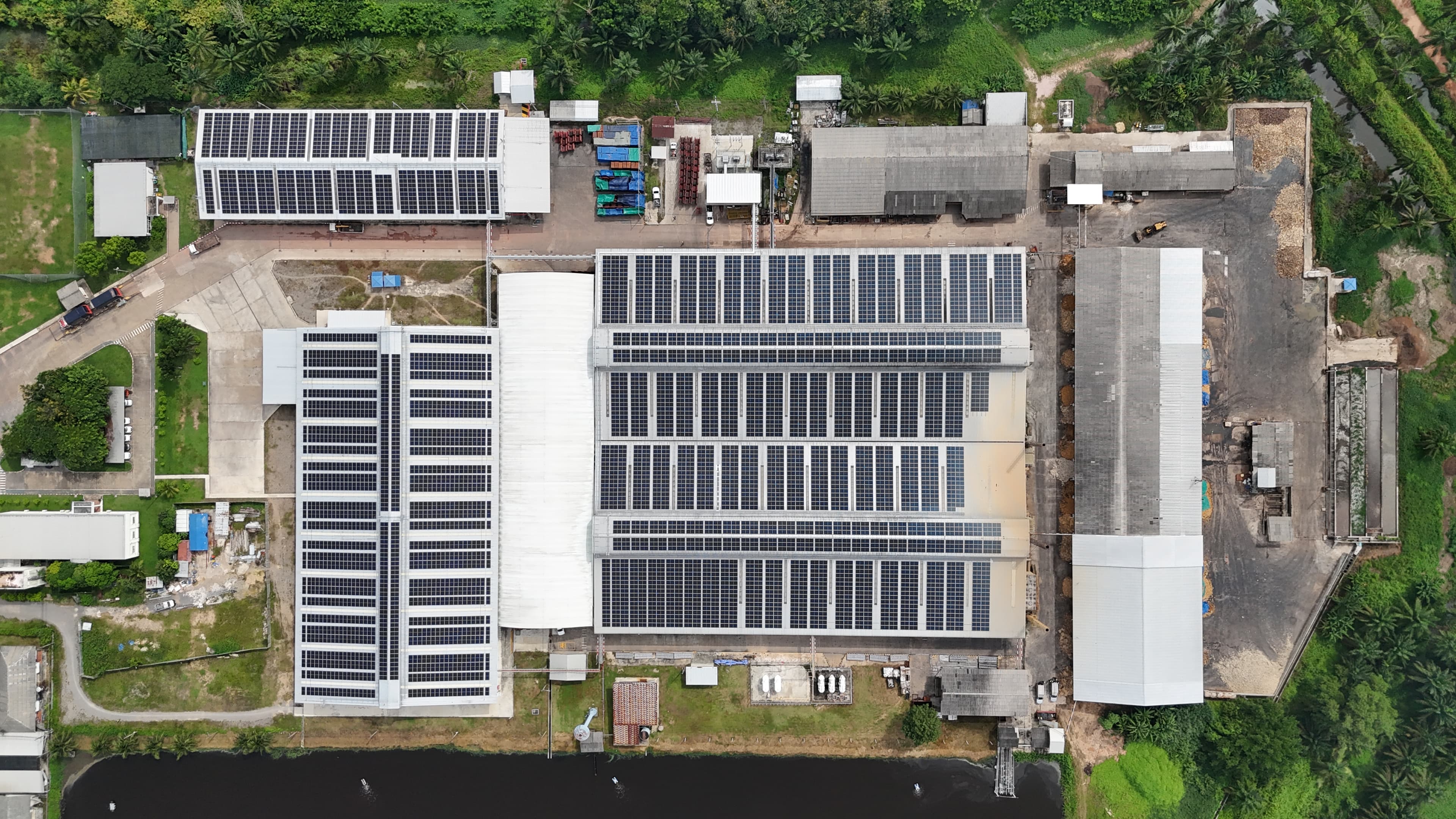
Our company has been continuously promoting energy saving activities, and the electricity and fuel usage per unit of production has been decreasing year by year. We have actively installed LED lighting in both offices and production areas, contributing to the reduction of electricity consumption. The solar panels installed from 2024 have already produced significant results, further accelerating our efforts to achieve a carbon-free society. We have also started an initiative to stagger production days by department to further increase the utilization rate of solar power.
Biodiversity Preservation Activities
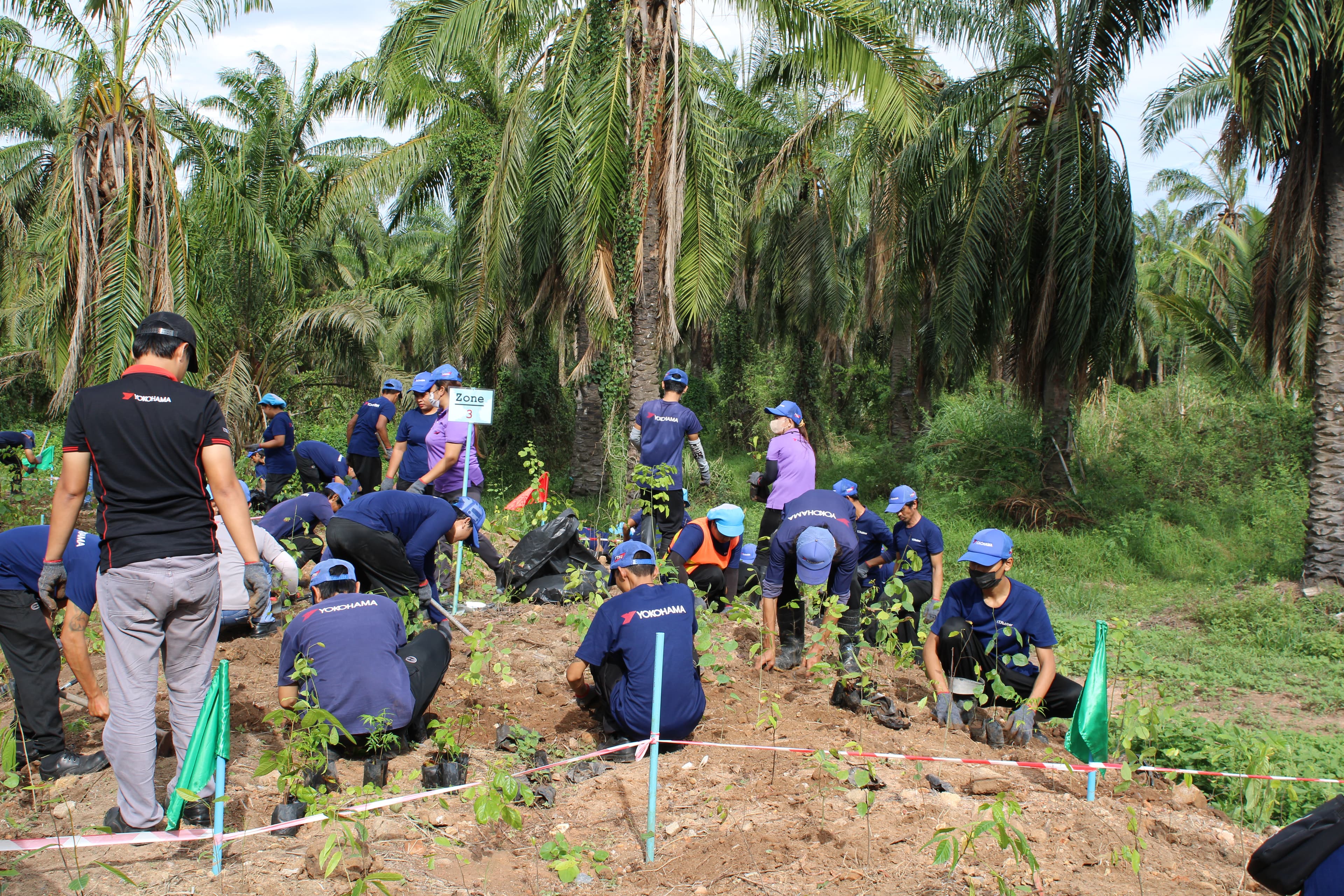
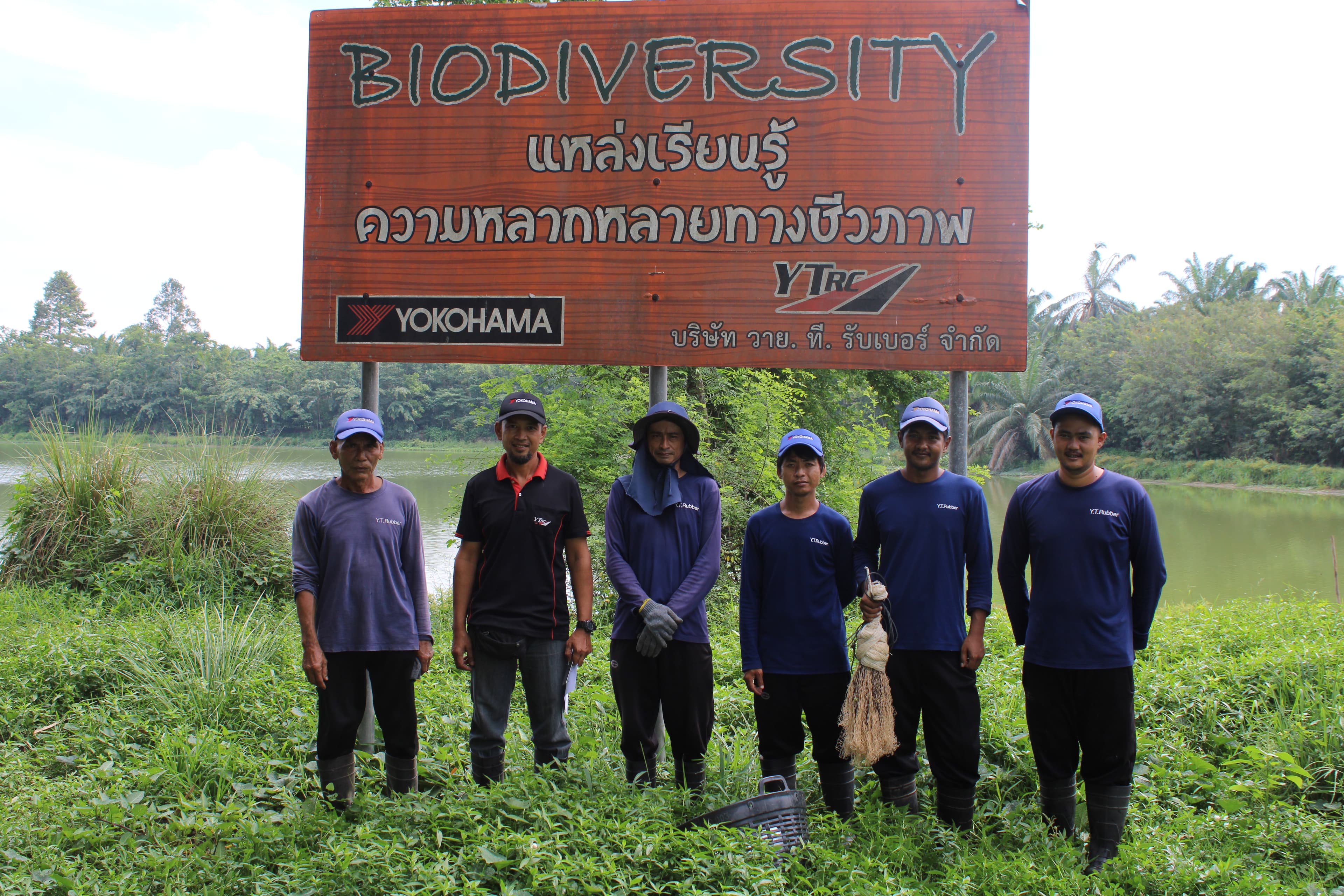
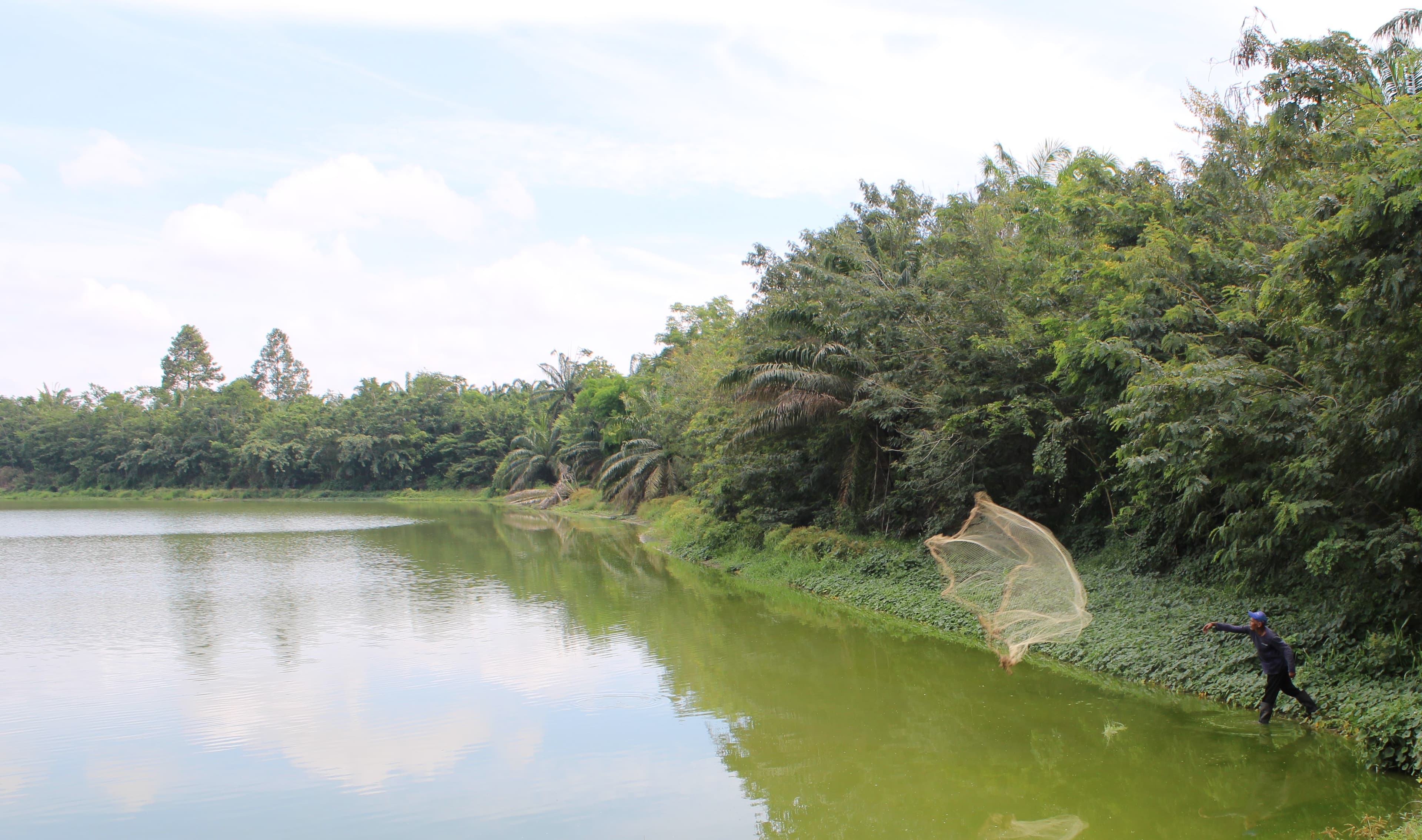
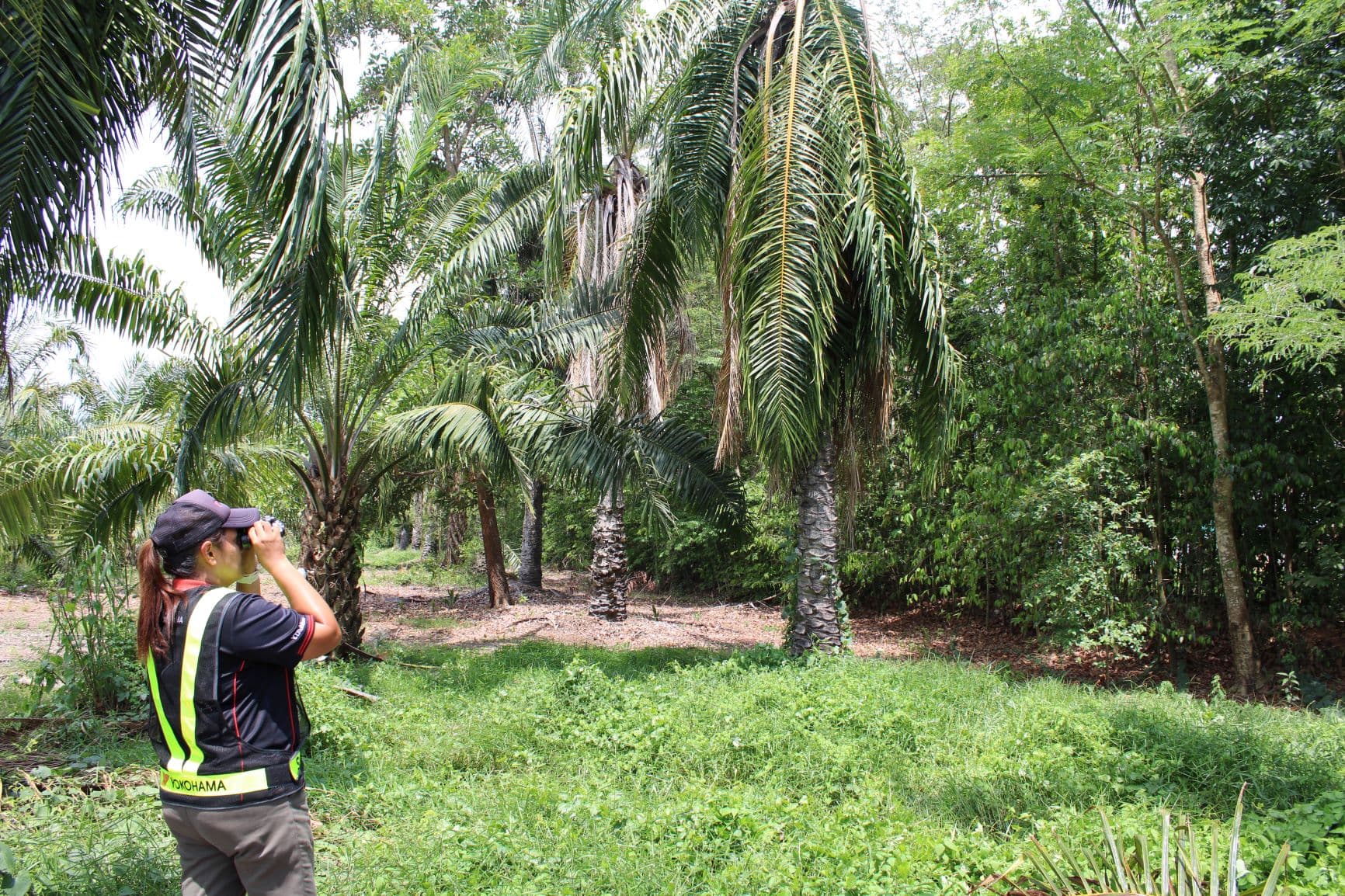
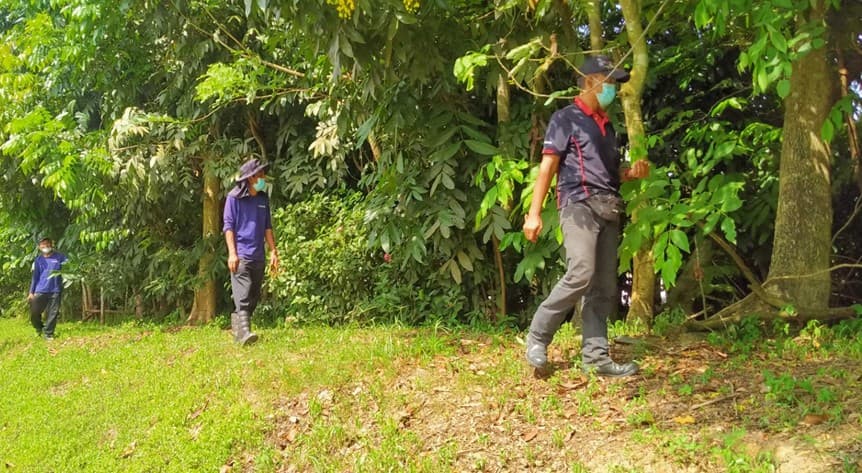
Our company continues to survey fish and birds in the balancing pond on our premises and the adjacent Tapi River, and we are working to preserve biodiversity. We keep the water quality of the balancing pond in good condition, and we have been planting about 5,000 trees every year since 2011. Through these improvements, the pond and its surroundings have become a suitable natural habitat for birds and fish, and now a diverse range of fish species live there due to the release of fingerlings and natural inflow during the rainy season. Once a year, we open this balancing pond to local residents, and this event, where they can freely catch and take fish home, is very popular. From the beginning of our founding, we have adopted a complete circulation water system (closed-loop water system) equipped with a settling pond. The water used is gradually purified over about two months by settling and aeration before being reused. Under strict management, the treated factory water maintains water quality almost equal to that of the balancing pond. If it becomes necessary to temporarily transfer water from the settling pond to the balancing pond due to heavy rain, etc., we conduct water quality tests in advance to ensure safety. In addition, before discharging water from the balancing pond to surrounding rivers, we confirm compliance with environmental standards and obtain approval from local authorities before doing so.
FAIR OPERATING PRACTICES
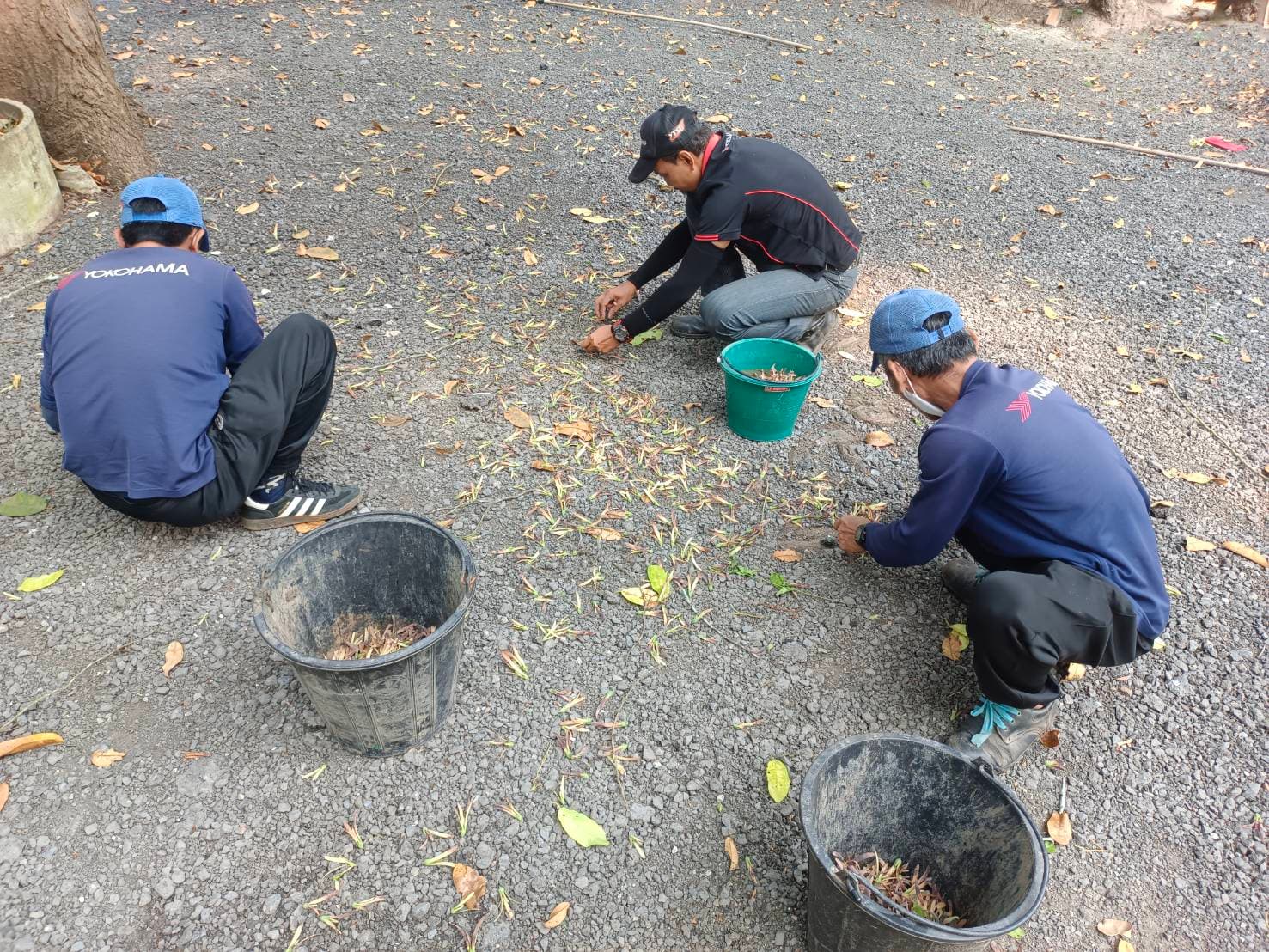
We promote fair and ethical business practices throughout our supply chain. We support local communities and farmers through sustainable agricultural initiatives and knowledge sharing.
Promoting Agroforestry
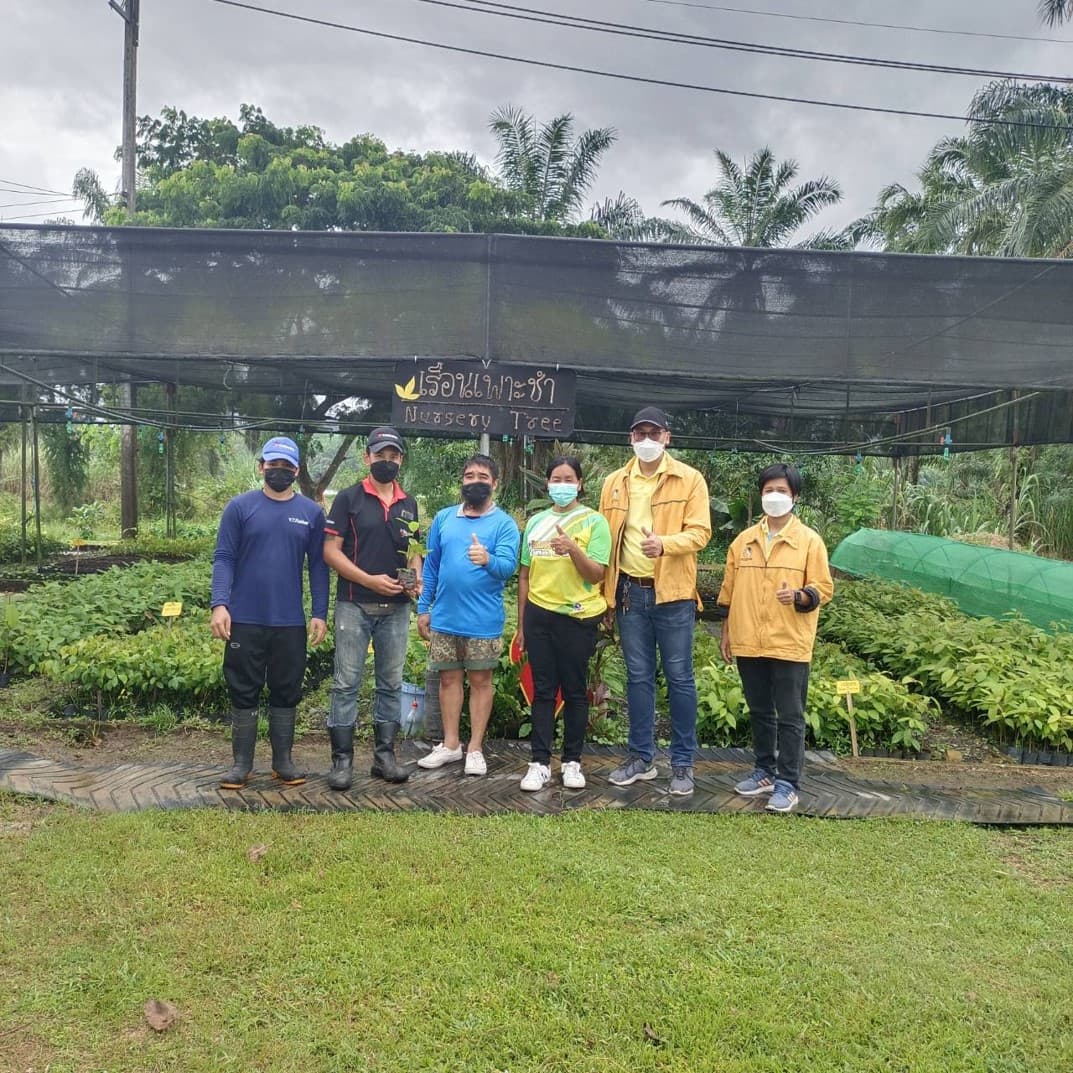
Agroforestry is a mixed-cropping system that involves planting other crops between rubber trees, allowing for the harvest of fruits and vegetables in addition to natural rubber latex. This enables smallholders to diversify their income streams and build more stable livelihoods. Y.T. Rubber actively promotes this agroforestry approach, positioning it as a sustainable agriculture model that not only stabilizes smallholder management but also contributes to biodiversity conservation and forest protection. Since 2024, we have started growing seedlings of high-value fruit trees such as durian and mango from seeds in-house and providing them to interested farmers free of charge. This strengthens our agroforestry initiative beyond simple mixed-cropping and has the potential to further enhance farmer profitability.
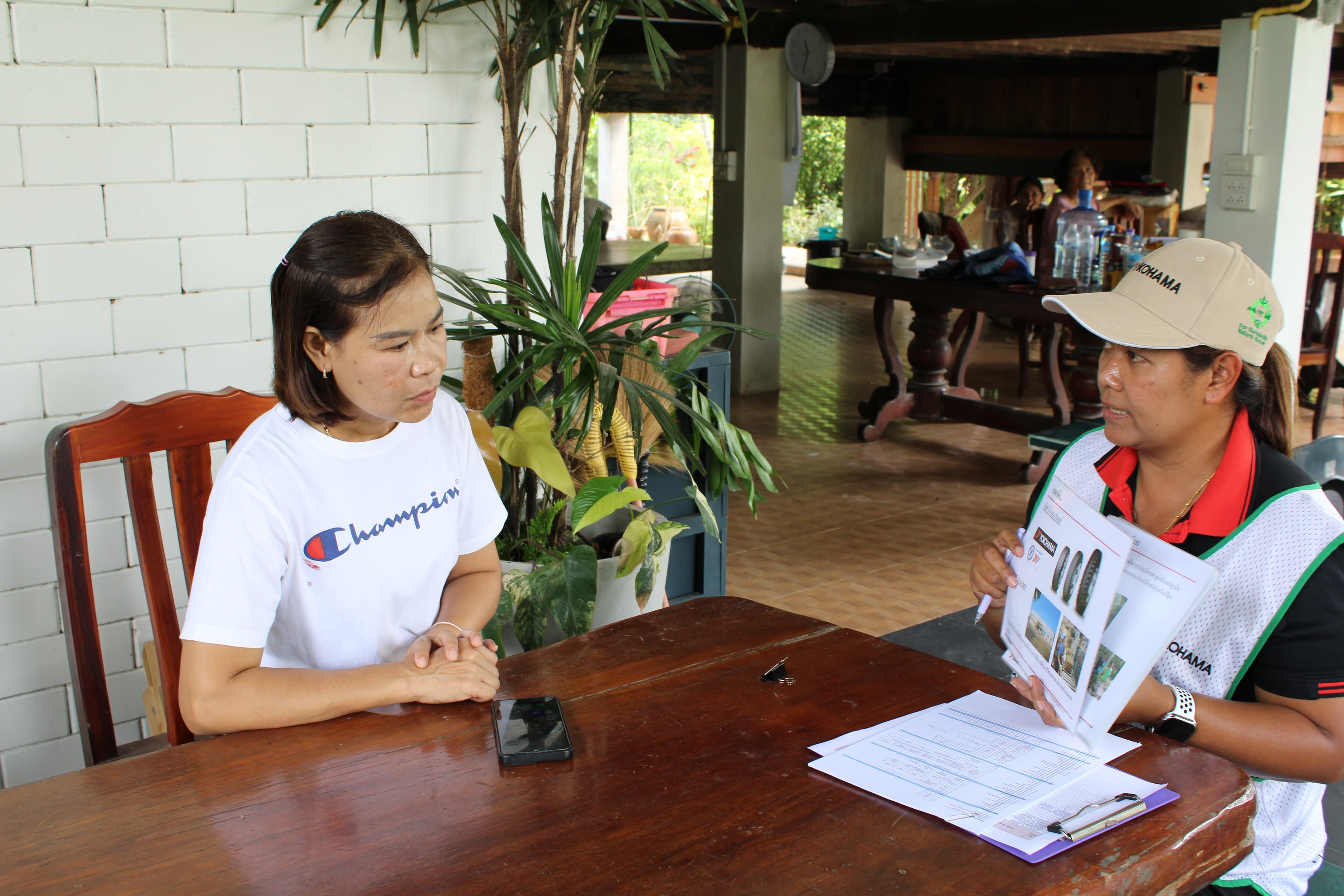
Farmers Survey on Sustainable Natural Rubber
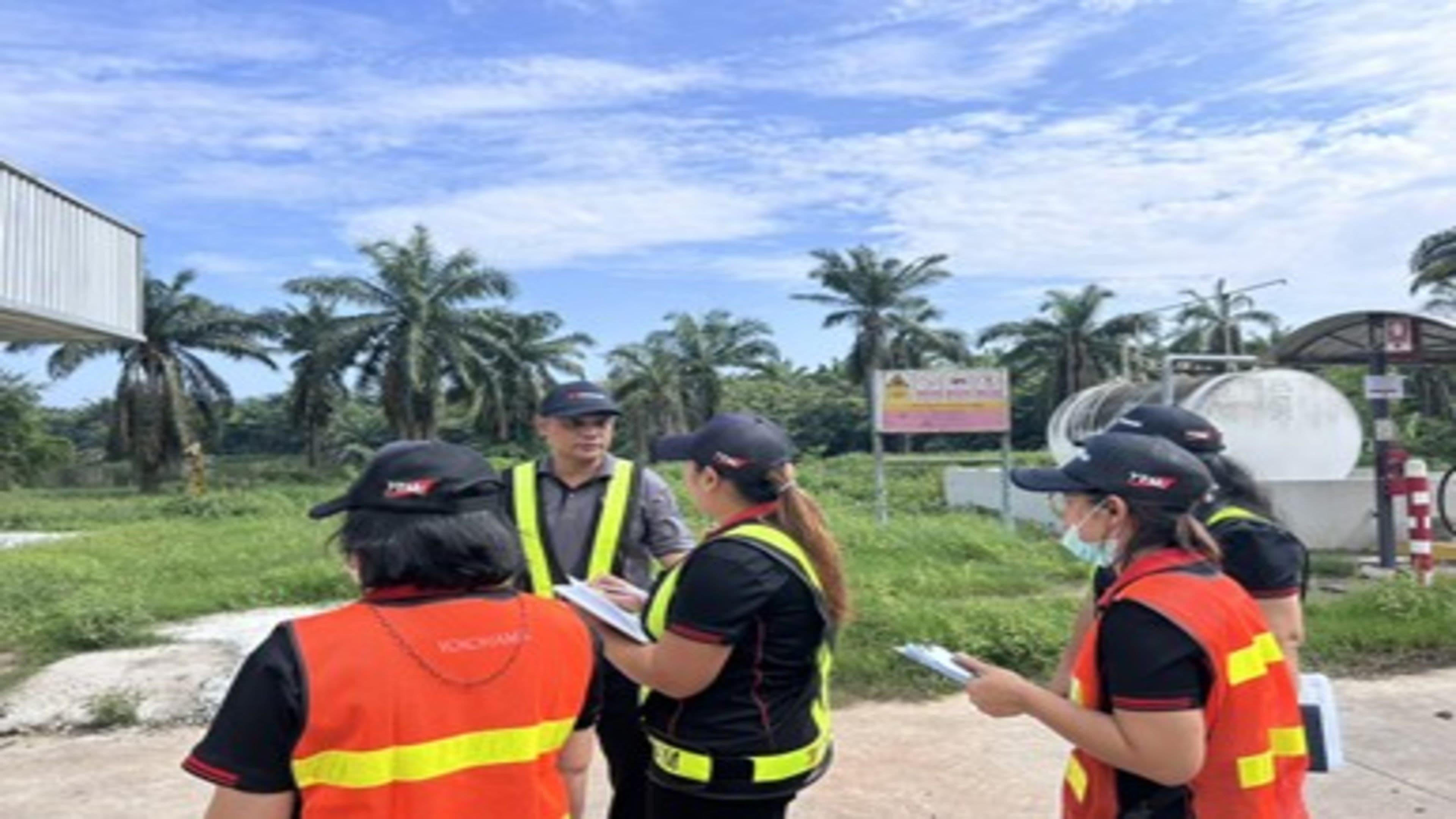
We regularly conduct surveys with local farmers to understand their needs and challenges. This feedback helps us improve our sustainable natural rubber procurement programs and strengthens our collaboration with the farming community.
Awareness and Support Activities
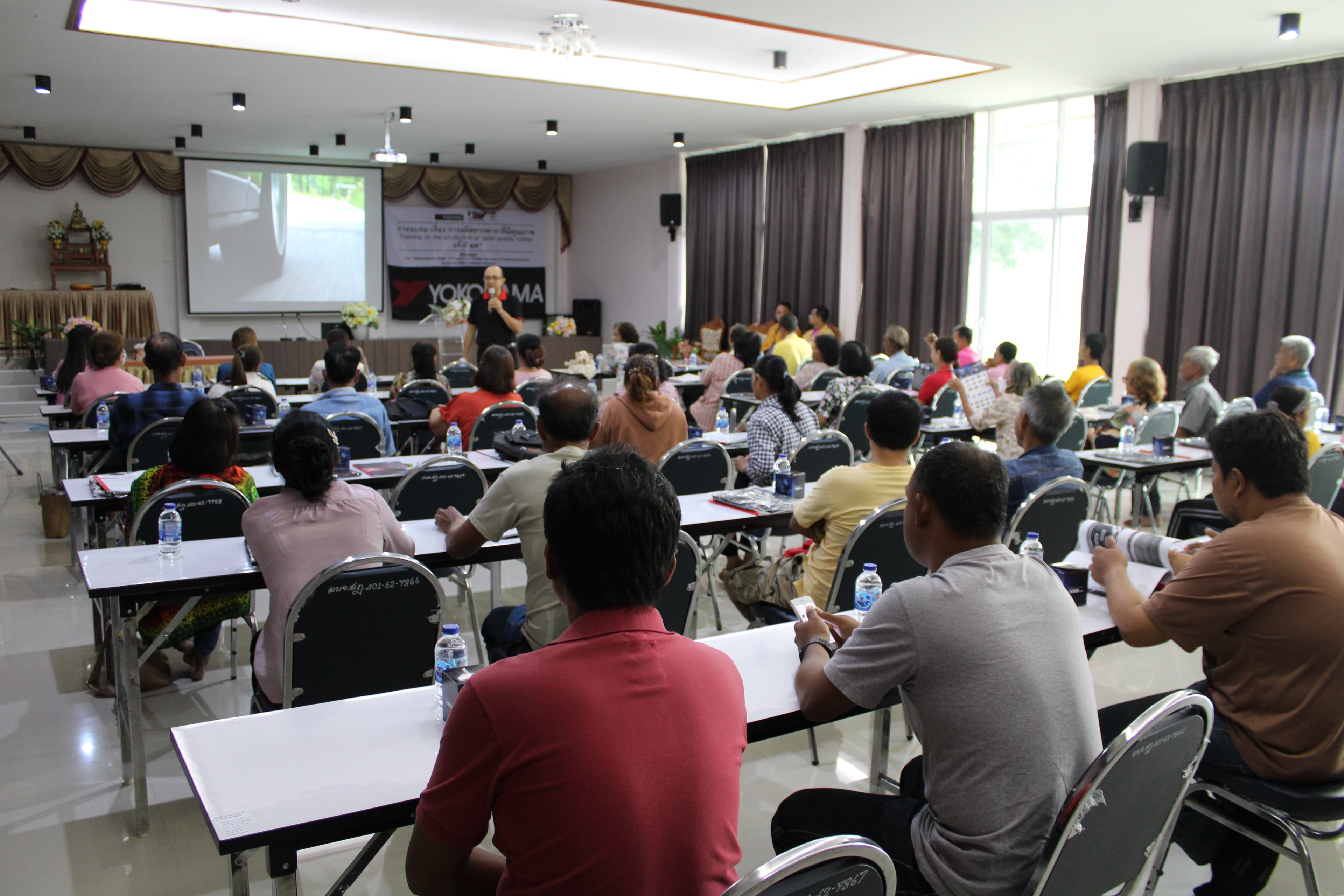
We provide continuous support and technical guidance to farmers to improve rubber quality and sustainable farming practices. These activities include seminars, workshops, and individual consultations.
CONSUMER ISSUES
We prioritize product quality and customer satisfaction. Our commitment to excellence ensures that our products meet the highest standards of safety and performance.
COMMUNITY INVOLVEMENT AND DEVELOPMENT
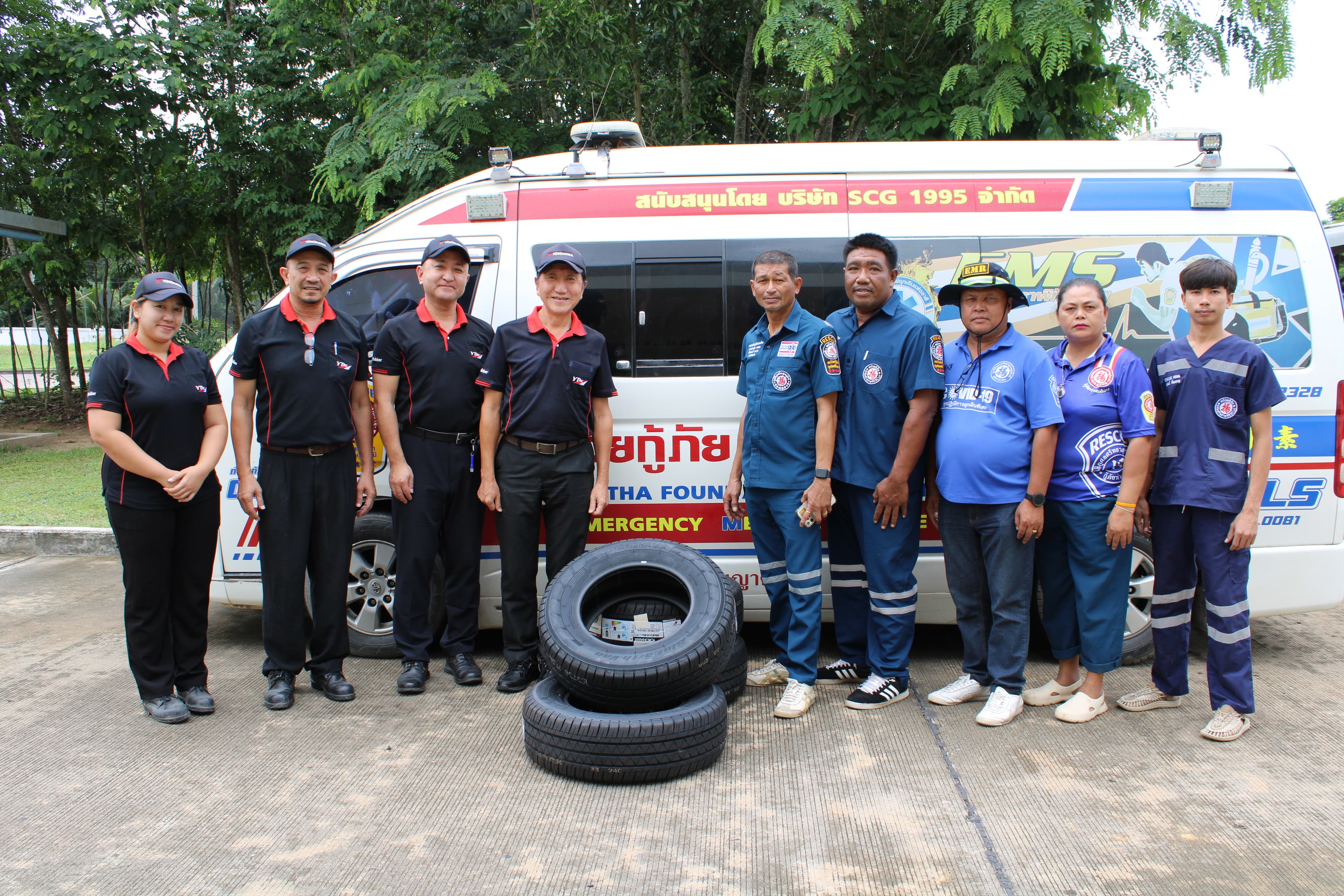
We actively engage with and support local communities through various initiatives, education programs, and development projects. Our goal is to create lasting positive impact.